Engineered to withstand extreme torque, high heat, and rigorous mass fabrication workflows.
Industrial tapping demands extreme structural stability. Selecting the correct chemistry and geometry determines the service life of tools in automated workflows.
Standard carbon steel taps fail quickly under continuous heat. We design our premium metric tap sets using HSS M2 (High-Speed Steel) and Cobalt M35 alloys. Incorporating 5% Cobalt shifts the thermal threshold, ensuring the cutting edge remains hard even when temperatures exceed 600°C.
By applying Physical Vapor Deposition (PVD) coatings like TiN (Titanium Nitride), TiCN (Titanium Carbonitride), and TiAlN (Titanium Aluminum Nitride), we drop friction coefficients down to 0.4. This prevents material adhesion (built-up edge) during heavy aluminum or stainless steel processing.
The channel geometry matters. Spiral Flute Taps pull chips upward out of blind holes, preventing packing. Spiral Point Taps push chips forward through open holes. Straight Flute Taps remain the standard for cast iron and simple hand-tapping applications.
SEO Insight & Technical Tip: Selecting the correct pitch tolerance (e.g., ISO 2 / 6H versus tighter 4H limits) protects threaded joints against micro-slippage in aerospace structural assemblies. Always specify your tolerance standards during wholesale procurement.
| Substrate / Coating | Micro-Hardness (HV) | Friction Coeff. | Max Working Temp | Best Applied Materials |
|---|---|---|---|---|
| HSS-M2 Uncoated | ~800 | 0.65 | 550°C | Structural Steels, Soft Alloys, Cast Iron |
| HSS-M35 + TiN | ~2300 | 0.40 | 600°C | Medium Carbon Steels, Brass, High-Tensile Alloys |
| HSS-Co + TiAlN | ~3300 | 0.35 | 800°C | Stainless Steel (304/316), Hardened Die Steels, Titanium |
| Carbide (Solid) | ~1600 | 0.50 | 900°C | Abrasive Composites, GRP, High-Silicon Aluminum |
Analyzing modern manufacturing requirements, lean logistics, and key supply chain metrics.
In high-volume assembly sectors, thread failures cause immediate assembly line stoppages. As global automated machinery relies on metric fasteners, high-quality, standardized tap sets are crucial. Metric thread profiles require precise tooth geometry to prevent cross-threading under torque loads.
As wholesale supply networks transition to regional hubs, procurement departments prioritize consistency. Tool longevity metrics dictate cost-per-hole economics, moving bulk purchasing strategies toward tested tool steel performance and reliable metallurgy over low-cost alternatives.
The shift toward electric vehicle (EV) manufacturing introduces high-strength structural aluminum alloys and battery housing composite materials. Tapping these components demands tooling that minimizes frictional heating and optimizes thread finish quality.
We integrate specialized manufacturing techniques to meet these requirements. Our designs balance core strength with cutting-edge geometry, allowing operators to run setups at higher spindle speeds with confidence.
Standardized tools don't fit every application. We provide engineered custom solutions for complex industrial tasks.
Custom multi-step taps engineered for engine blocks and transmission cases. Achieves chamfering and threading in a single operation, reducing cycle times.
Developed with optimized flute angles and relief configurations for titanium alloys, Inconel, and high-temp stainless steels, preventing work hardening.
Precision micro-taps down to M1.0 sizes, engineered for high-precision components, consumer electronics casings, and electrical terminal boxes.
Bespoke steel cases, laser marking for private labels, and custom set assortments (metric & imperial) tailored to regional tool markets.
Our commitment to international standards guarantees trouble-free operation and reliable product consistency.
Our manufacturing facilities adhere strictly to ISO 9001 quality management guidelines. Each batch undergoes optical inspection and thread-ring gauge tests to guarantee exact pitch limits.
Our tap sets conform to DIN 371 and DIN 376 specifications for overall length, shank diameters, and square drive dimensions, ensuring compatibility with standard collets.
We provide complete documentation, including certificates of origin, metallurgical reports, and customs compliance paperwork, for smooth transit into international markets.

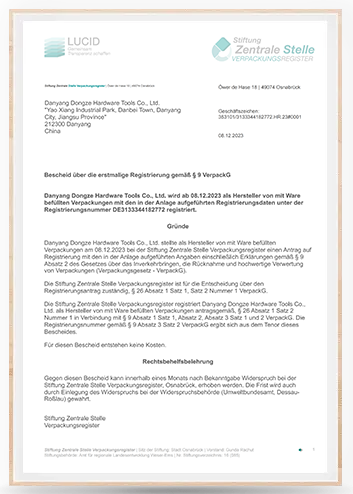
Established in 2018, Danyang Dongze Hardware Tools Co., Ltd. has developed into a dedicated supplier in the hardware and cutting tools industry. Through our focus on quality and market dynamics, we have built extensive export experience. Today, our products are distributed across Europe, the United States, South Korea, Australia, and the Middle East, establishing partnerships with clients worldwide.

Our professional personnel bring years of experience managing custom designs, technical quoting, and project delivery of all scales.


From precision metalwork to masonry core drilling, we supply an extensive range of cutting solutions.
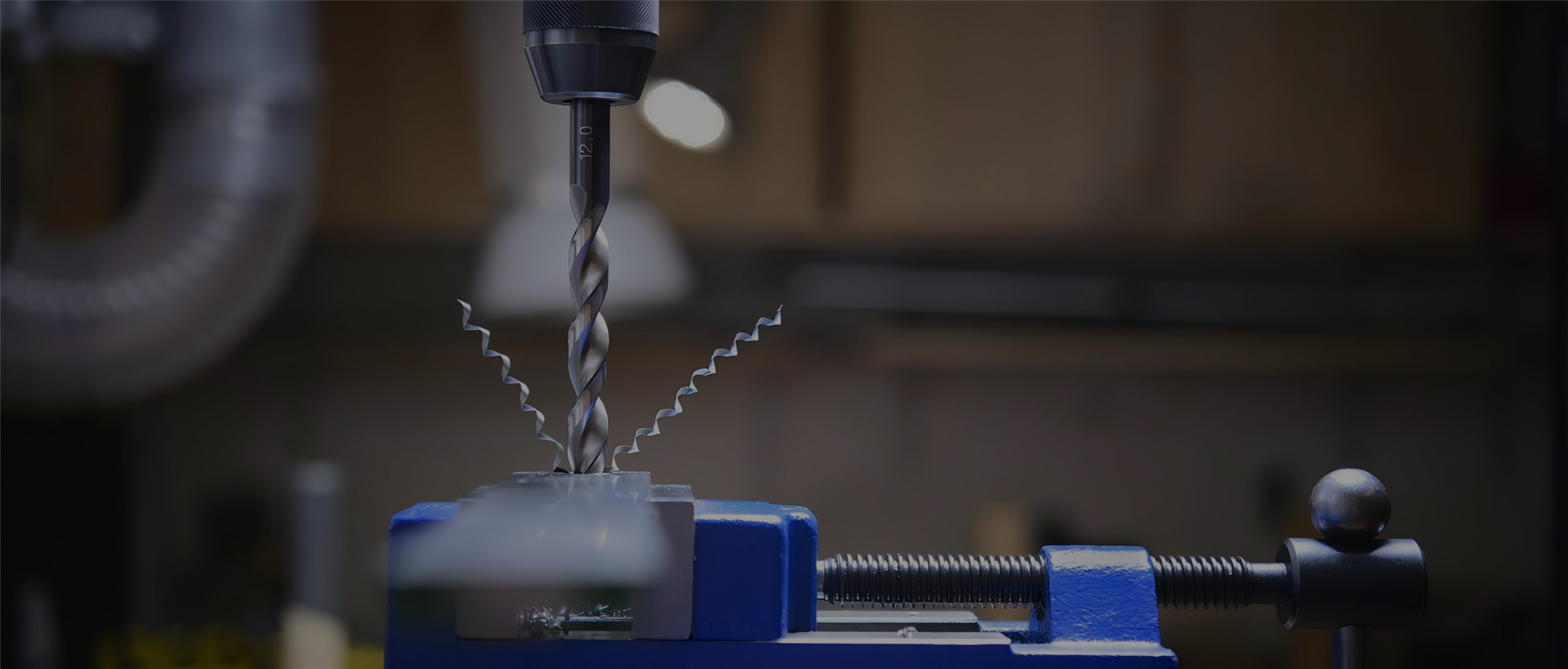
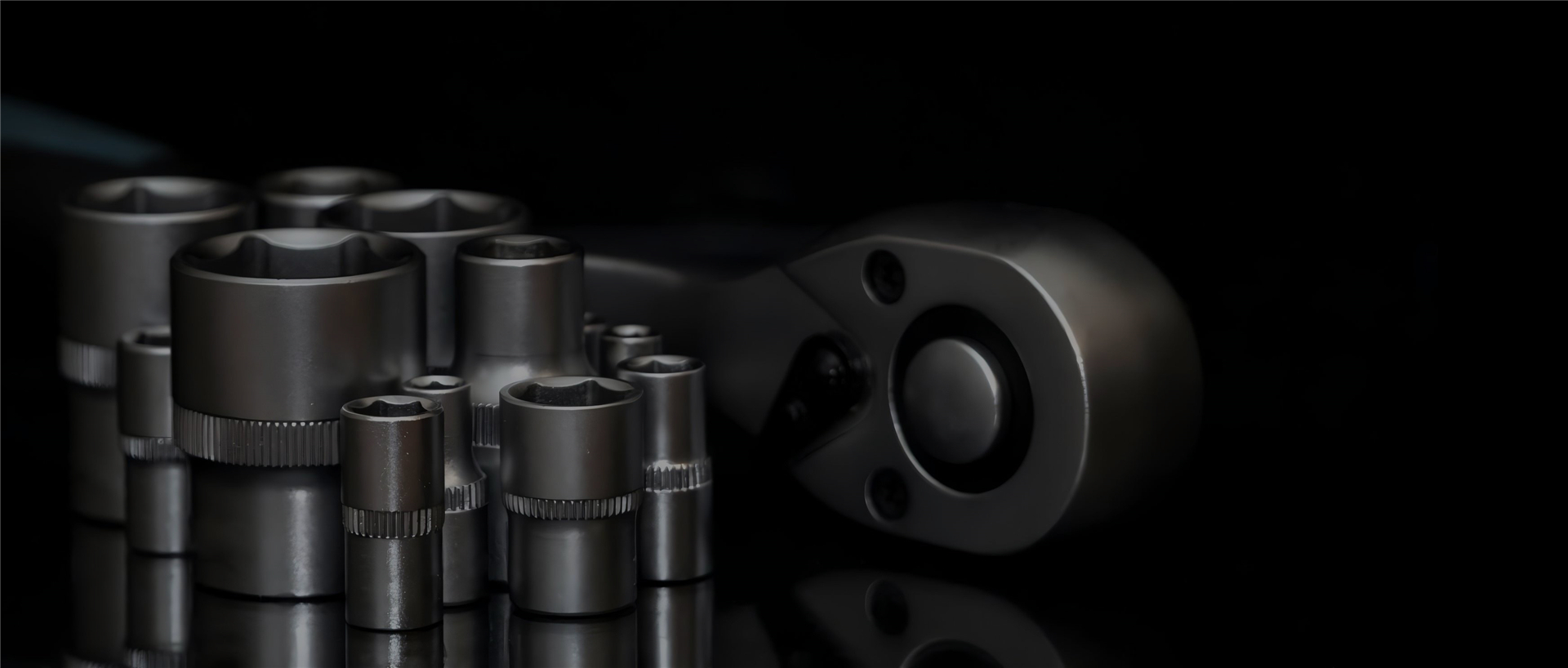
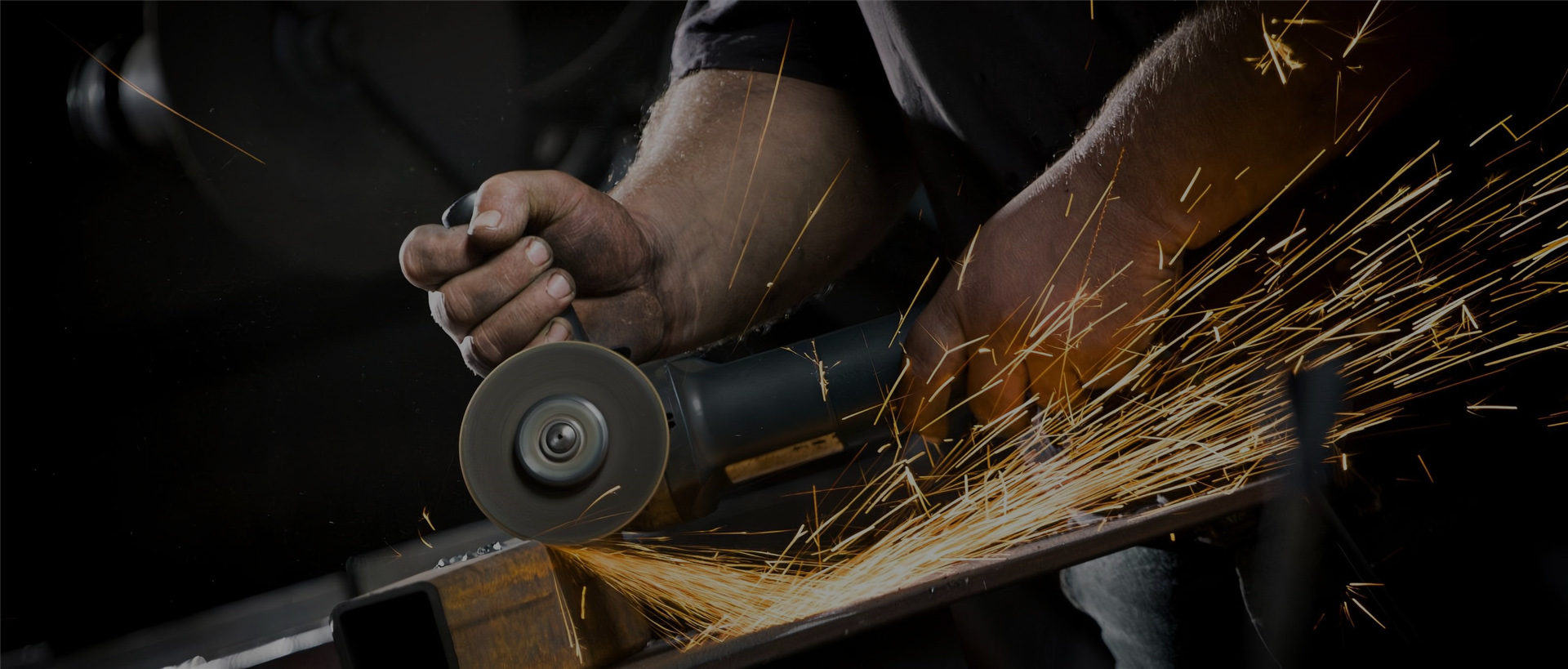
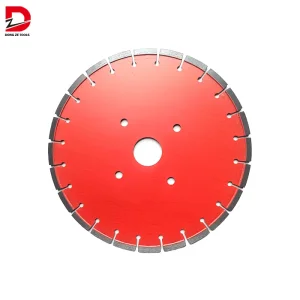
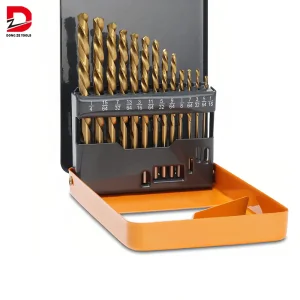
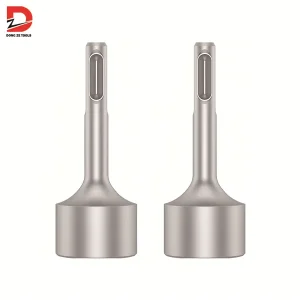
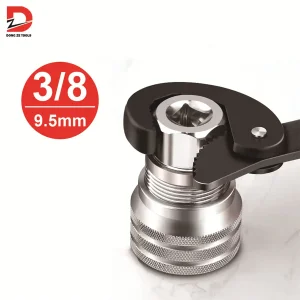
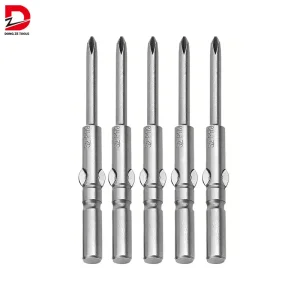
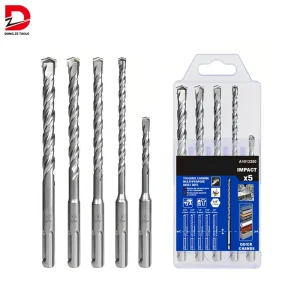
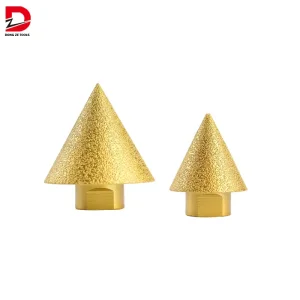
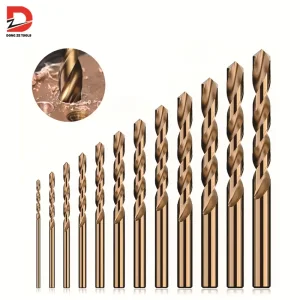
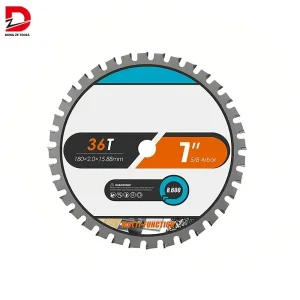
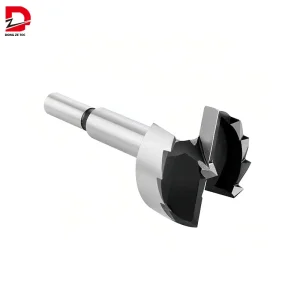
Our product catalog includes metal drill bits and tools for high-precision cutting. We supply concrete, stone, tile, and glass drills for construction, as well as wood drill bits, screwdriver bits, and nut socket drivers. Additionally, we manufacture TCT circular saw blades, jig saw blades, hole saws, annular cutters, and diamond tooling.

Metal Drill Bit

Nut Driver

Hole Saw
Strict quality controls ensure that every product meets relevant industrial standards. Our production efficiency and partner networks support competitive pricing and reliable lead times.
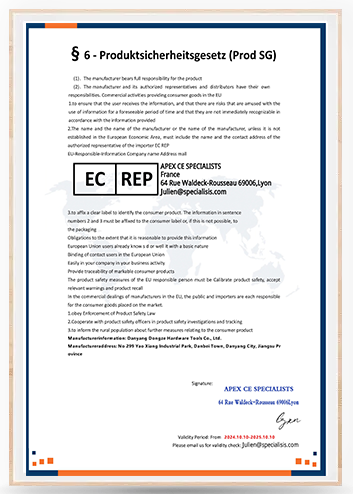
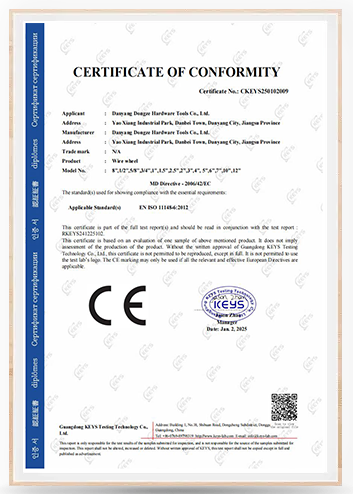
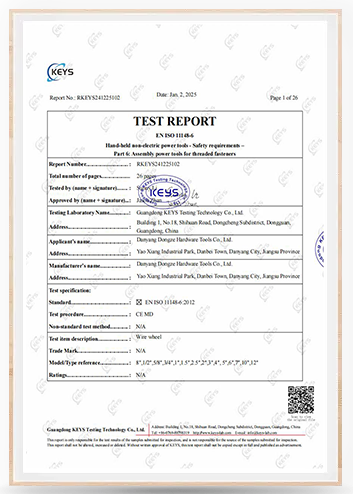
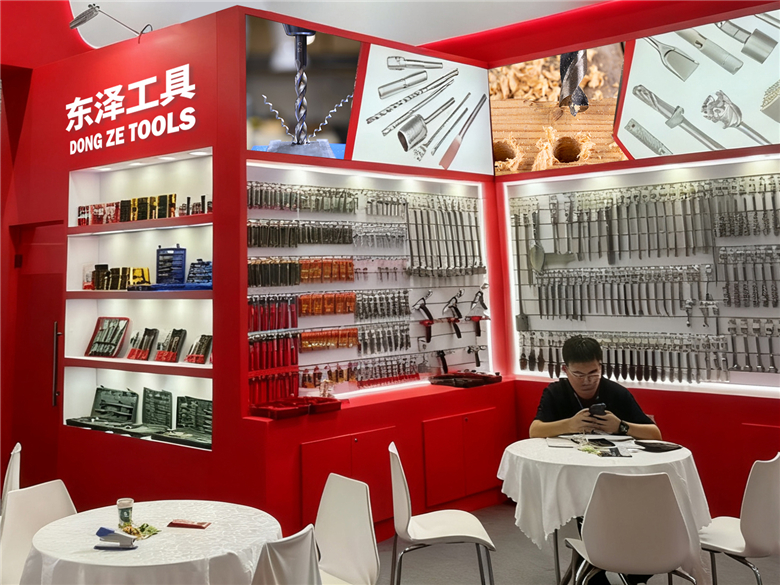
We participate in hardware and tooling exhibitions worldwide to connect with distributors, study market trends, and present our latest design configurations.
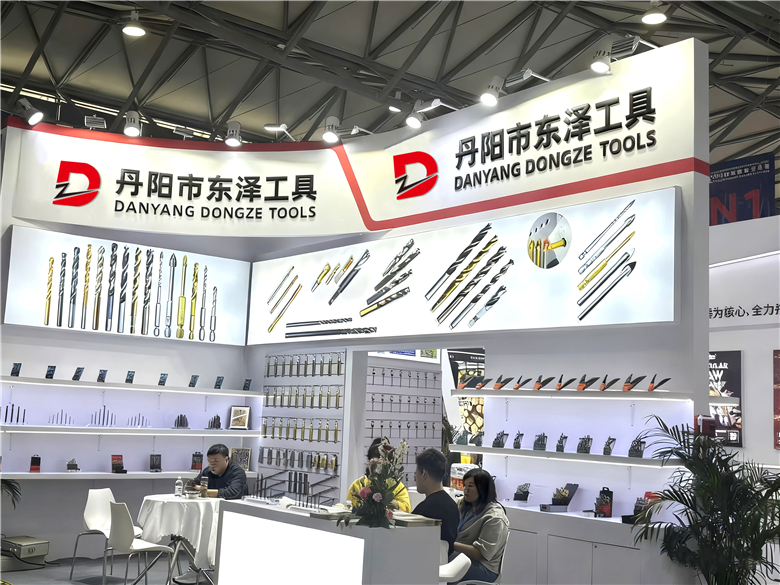
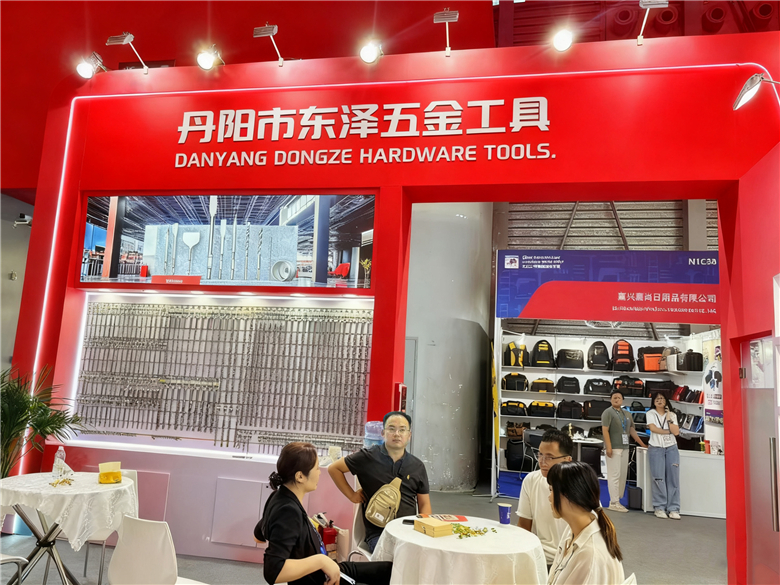
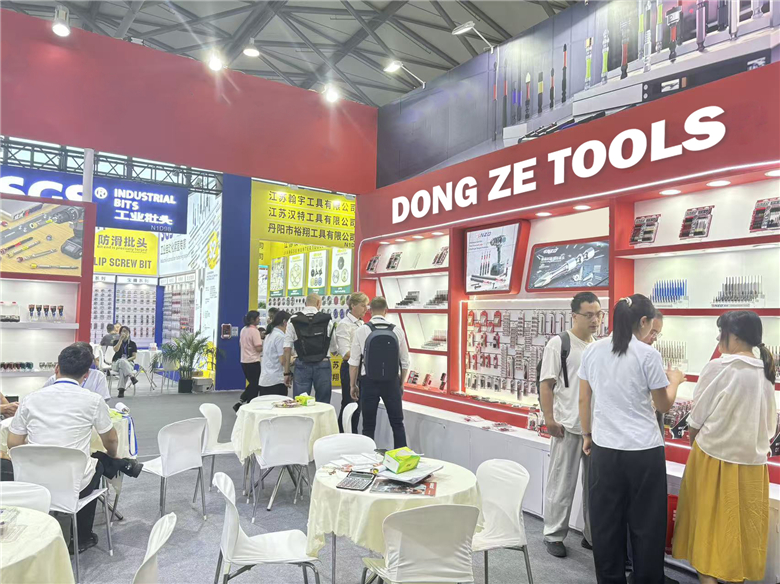
Developing next-generation threading tools for tomorrow's manufacturing challenges.
We are expanding the use of Powder Metallurgy (PM) steels in our high-end lines. PM steels offer higher toughness and fatigue resistance compared to traditional melt HSS, reducing tool chipping in automated setups.
Development is underway for AlCrN/TiSiN composite coatings. These coatings form a protective oxide layer under high temperatures, maintaining surface integrity when tapping dry or with minimal lubrication.
Utilizing Finite Element Analysis (FEA) to simulate tool stress distributions. This helps optimize flute geometries to reduce torque loading and improve process reliability before production begins.
Detailed technical answers for engineering professionals and tool procurement managers.
Designed for industrial distributors requiring consistent quality and reliable packaging.
 Dongze Hardware