Choosing the right mill cutter can significantly impact your project’s success. The mill cutter you select affects precision and efficiency. Different projects require different cutting tools. Types of mill cutters vary widely in design and function. Each type serves its own unique purpose.
When considering a mill cutter, think about the material you'll be working with. Steel, aluminum, or wood each demands different approaches. For example, a high-speed steel cutter might work well for softer materials. On the other hand, carbide cutters are better suitable for tougher tasks.
It’s also important to evaluate the cutter’s geometry. Some designs promote better chip removal, while others enhance finish quality. Keep in mind, the best choice is not always the most expensive one. Sometimes, a less popular mill cutter performs just as well. Experimenting with various options can yield surprising results. However, making a choice under pressure can lead to mistakes. Reflecting on your needs and past experiences is key. A thoughtful selection leads to better outcomes.
Understanding Different Types of Mill Cutters Available in the Market
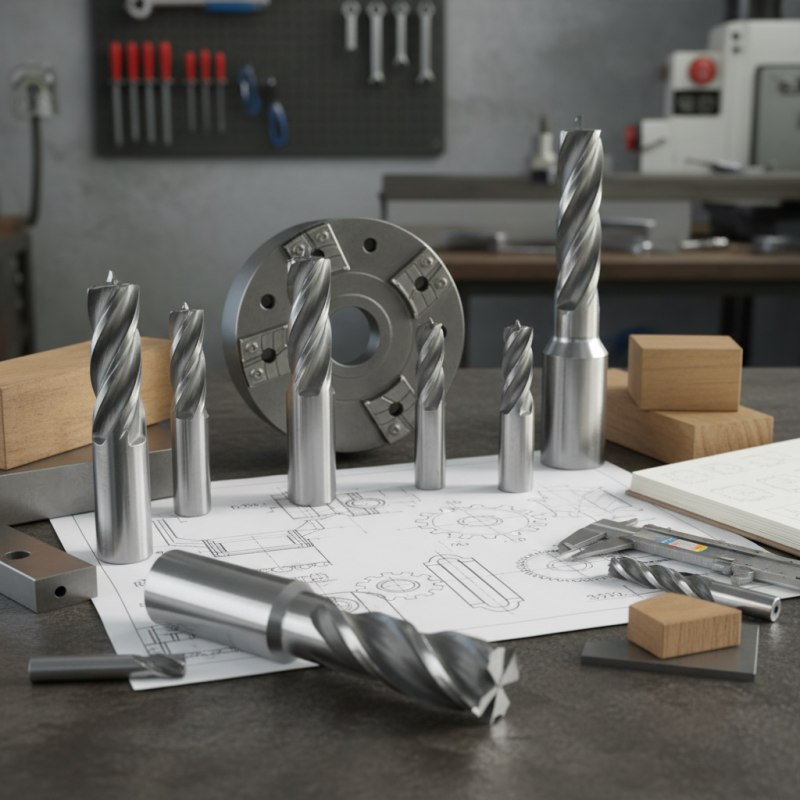
When choosing a mill cutter, it's essential to understand the various types available. End mills, face mills, and slab mills are the most common options. Each type has distinct features suited for specific tasks. According to a report by the Global Cutting Tools Market analysis in 2021, end mills account for approximately 40% of the market due to their versatility in cutting processes. They excel in milling pockets and complex geometries, making them a favorite among machinists.
Face mills, on the other hand, are used for larger surfaces and can engage in heavy metal removal. They have multiple cutting edges, leading to higher efficiency in operations. Slab mills are less commonly used but critical for specific applications like flat surface machining. Their design allows for effective cutting depth and width but can be limited in versatility. As noted in machinery performance evaluations, the choice of a cutter can directly impact the machinery's effectiveness and lifespan. This highlights the necessity of selecting the right tool.
Personal experience often reveals gaps in understanding which cutter best suits a project. Sometimes, users choose based on past habits rather than the project's requirements. This can lead to subpar results or increased costs. Reviewing specific performance data and test outcomes can guide better decision-making. Collecting feedback after usage can also reveal insights lost in initial selections.
Evaluating Material Compatibility for Effective Milling Performance
Choosing the right mill cutter is crucial for project success. Material compatibility plays a significant role in milling performance. For instance, using cutters made from carbide offers durability when working with hard materials. According to a recent industry report, carbide tools can last up to four times longer than high-speed steel tools when milling tough alloys.
Different materials require specific cutter designs. Aluminum, for example, benefits from high-speed steel cutters with sharp edges. These designs optimize chip removal and reduce material buildup. Reports suggest that improper cutter selection can lead to increased downtime by 20%. This is often due to rapid wear or tool breakage.
Consider the project’s requirements carefully. Soft materials might not necessitate a high-end cutter, while harder materials may require specialized designs. Some students overlook these factors in their coursework, leading to inefficient results and wasted resources. Testing different cutters can reveal insights about their performance in various materials. Adjusting your approach based on these observations can enhance overall milling efficiency.
How to Choose the Best Mill Cutter for Your Projects?
| Cutter Type |
Material Compatibility |
Cutting Speed (RPM) |
Feed Rate (mm/min) |
Application |
| High-Speed Steel (HSS) |
Aluminum, Mild Steel |
800 - 1200 |
200 - 500 |
General Milling |
| Carbide |
Steel, Stainless Steel, Plastics |
1000 - 1800 |
100 - 300 |
Precision Milling |
| Cobalt |
Stainless Steel, Hard Alloys |
600 - 1500 |
50 - 150 |
Heavy-Duty Milling |
| Diamond Coated |
Fiberglass, Composite Materials |
500 - 1000 |
100 - 250 |
Specialized Milling |
Considerations for Choosing the Right Size and Shape of Mill Cutter
Choosing the right size and shape of a mill cutter can be challenging. Consider the material you're working with. Harder materials often require tougher cutters with specific geometries. For example, a roughing cutter has a different shape than a finishing cutter. The former removes more material quickly, while the latter shapes the surface.
Additionally, the diameter of the cutter influences cutting depth and speed. A smaller diameter can create fine details, but it may clog easily. A larger diameter cutter removes material faster. However, it may not fit into tight spaces. Always assess your project's needs carefully.
Different projects might require adjustments. Once, I picked a cutter based solely on its size and regretted it later. Material build-up occurred, leading to poor finishes. Reflection is vital. Each project teaches you something new, especially about choosing tools wisely.
The Importance of Cutting Edge Geometry in Mill Cutter Selection
The cutting edge geometry of mill cutters plays a crucial role in machining efficiency. Different geometries impact cutting performance, chip formation, and tool wear. According to a study from the Machining Industry Association, 70% of tool wear is attributed to improper cutting edge design. Flute angles and edge radii significantly affect the surface finish and tool life.
For instance, a sharper angle can increase cutting efficiency. However, it may also lead to faster wear. Conversely, a stronger edge is more durable but may produce rougher finishes. A balance is needed for each project. Research indicates that selecting the right geometry can boost machining speeds by up to 30%.
Choosing the right cutter isn't just about sharpness. Consider the material being machined. Aluminum demands different edge profiles than steel or titanium. Each material reacts differently to cutting forces. A poor choice might slow down production and escalate costs. Therefore, understanding the relationship between geometry and material is vital for any project.
Importance of Cutting Edge Geometry in Mill Cutter Selection
When selecting a mill cutter for your projects, understanding the significance of various cutting edge attributes is crucial. The chart displays the importance levels of five key factors that influence the efficiency and effectiveness of milling operations.
Tips for Assessing Cost vs. Quality in Mill Cutter Options
When assessing cost versus quality in mill cutter options, consider the performance and longevity of the tools. A study from the American Machinist Association indicated that high-quality cutters can last up to 30% longer than cheaper alternatives. While the upfront cost of premium cutters might be daunting, their durability often results in lower overall costs per project.
With many choices in the market, finding the right balance can be challenging. For instance, a basic carbide cutter might cost $25, while high-performance options can exceed $100. The difference often lies in performance during machining. Tools that retain their edge reduce downtime. One report highlighted that businesses could save around 15% on machine time by using superior cutters.
However, you must remain cautious. Investing heavily in top-quality tools without understanding their specific application can lead to overspending. Conducting a needs assessment ensures you choose a cutter that matches your project's requirements. Poor choices can lead to wasted resources, both financial and material. Stakeholder feedback and trial runs can provide insight, guiding you toward the best decision.
Conclusion
Choosing the right Mill Cutter for your projects involves a comprehensive understanding of the various types available in the market, as each type serves different milling applications. It is crucial to evaluate material compatibility to ensure effective milling performance. Considerations such as the right size and shape of the Mill Cutter can significantly impact the outcome of your project, and understanding the cutting edge geometry is essential to achieving precision.
Additionally, when selecting a Mill Cutter, one must balance cost and quality. While it may be tempting to opt for lower-priced options, investing in high-quality cutters can lead to better performance and longevity, ultimately saving costs in the long run. By keeping these key factors in mind, you can make an informed decision that enhances your machining projects.

 Dongze Hardware