Choosing the right Tap and Die Tool Set can make a significant difference in your projects. According to James McCarthy, an expert in metalworking tools, “A proper tap and die set is essential for any serious craftsman.” His experience highlights the importance of selecting the right tools for the job.
When tackling thread cutting and repairs, the quality of your Tap and Die Tool Set matters. Many novice DIYers might overlook this detail, leading to frustration and poor results. A complete set should include various sizes and types of taps and dies, allowing for versatility in different tasks. As you navigate through brands and options, consider what will truly meet your needs.
Sifting through available choices can be overwhelming. Not all sets deliver on their promises. Look for features like durability and ease of use. Reliable sets often come from reputable brands with positive reviews. Remember, choosing a tool that breaks easily or lacks precision can lead to more problems than solutions. Be sure to reflect on what you truly need in a Tap and Die Tool Set before making a purchase.
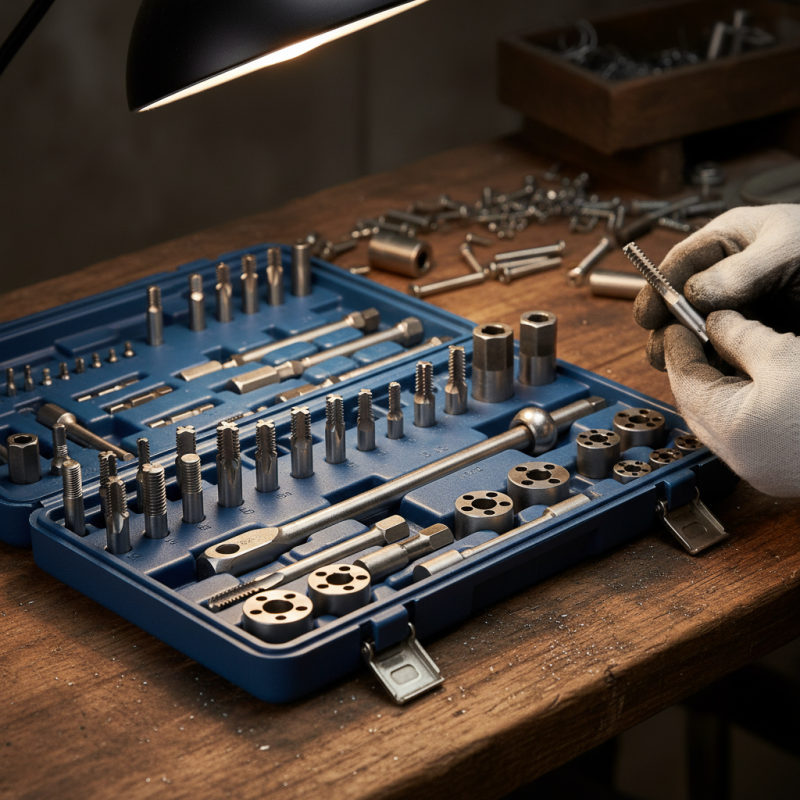
Choosing the right tap and die tool set involves understanding their function and types. Tap and die sets allow users to create internal and external threads. A tap is used for cutting threads inside holes, while a die shapes external threads on rods and bolts. Each tool has specific sizes, which can vary in quality and purpose.
When assessing tap and die tool sets, consider materials. High-speed steel offers durability, while carbon steel is more affordable but less resilient. Look for sets with both metric and imperial sizes, providing versatility for different projects. Some sets may appear comprehensive but lack essential tools. It’s essential to review what is included to avoid frustration later.
Precision is critical in threading. An imprecise cut can lead to stripped threads, compromising your project. Experience with different types can help improve your skills but remember that practice takes time. Sometimes, you may find yourself choosing a set that looks right, only to realize later it doesn't meet your needs. Reflecting on these experiences can lead to better decisions in the future.
When selecting a tap and die set, several key considerations come into play. First, assess the materials you'll be working with. Different materials require specific tap and die types. For instance, softer metals like aluminum need finer taps, while harder metals demand more robust designs. Evaluate the sizes you frequently use. Comprehensive sets offer various sizes, filling in gaps for future projects.
Another important factor is the quality of the tools. Higher-quality materials, such as high-speed steel, will withstand wear and tear better than cheaper alternatives. Look for tools that provide a good grip and ease of use. A smooth cutting action is vital for achieving precise threads. Remember, it’s okay to start with a basic set and gradually expand based on your evolving needs.
Consider the storage and organization of your tools as well. A well-organized toolbox can save time and frustration during projects. Finally, read reviews and seek advice from experienced users. Their insights can highlight potential pitfalls that may not be immediately obvious. Reflect on what you truly need for your projects and be open to adjusting your choices as your skills grow.
When selecting taps and dies, it’s essential to understand the different types available. Taps are cutting tools used for creating internal threads in a hole. They come in various styles, such as taper taps, plug taps, and bottoming taps. Each has unique functions and applications.
Taper taps start threads easily, while plug taps create threads deeper into the material. Bottoming taps are useful for blind holes. Choosing the right type depends on your project's specific requirements.
Dies serve the opposite purpose. They are used to cut external threads on a rod or shaft. Similar to taps, dies also come in various forms, including round dies and hexagonal dies. Round dies are ideal for creating finer threads, while hex dies provide more grip and ease of use.
When selecting dies, consider the material you are working with. Softer materials may require different techniques than harder materials.
Not all tools work well in every situation. Sometimes, improper use can lead to stripped threads or damaged tools. It’s important to consider the size and pitch of the threads as well. Ensure the tools match your project needs. Mistakes are common in beginner projects, and reflection on these experiences can greatly improve your skills.
When choosing a tap and die tool set, quality and durability are paramount. Look for tools made from high-quality materials like high-carbon steel or alloy steel. These materials ensure longevity and resistance to wear. A good tool set should maintain its sharpness after repeated use. Check whether the tools are heat treated, as this process increases durability.
The finish of the tools also matters. A proper coating can prevent rust and corrosion, extending the lifespan of your tools. Pay attention to the cutting edges; they should be precise and free from any defects. A poorly finished tool can lead to frustrating experiences and subpar results. Consider how often you plan to use the set; a more robust option may justify the expense for frequent use.
Not all manufacturers are the same in terms of reliability. Research user reviews for real experiences. A tool that may seem perfect in pictures could disappoint when used. Check if the set includes a range of sizes, as versatility is essential. Evaluate the organization of the set; well-organized tools will save time and reduce wear on the equipment. Reflect on your specific needs, and remember, even high-quality tools require proper maintenance.
When budgeting for a tap and die tool set, it’s essential to understand your needs clearly. Consider the variety of projects you'll undertake. A basic set may suffice for simple household repairs. However, if you’re an enthusiast or a professional, investing in a comprehensive set will likely pay off. Prices can vary significantly based on the material quality and number of tools included.
Finding the right price point requires research. Online communities often share insights that can guide your decision. A higher price doesn't always guarantee better quality. Sometimes, mid-range sets offer the best value. Look for reviews from experienced users who share real-world experiences. They can highlight durability and usability. This insight often helps make the decision process smoother.
While saving money is important, remember to weigh quality against cost. An inexpensive set might seem appealing, but long-term frustrations could arise from inferior tools. Explore your local hardware store to compare options and feel the products firsthand. Quality is often noticeable in the feel and weight of the tools. Every choice offers a learning opportunity, turning budgeting into a chance to refine your skills.
: Taps create internal threads inside holes. They help form connections in various materials.
Dies shape external threads on rods and bolts. They come in different forms for specific tasks.
High-speed steel offers durability. Carbon steel is more affordable but less resilient over time.
Imprecise cuts can strip threads. This may compromise project integrity and lead to frustration.
Taper taps, plug taps, and bottoming taps serve different threading needs. Choose based on your project.
Look for tools made from high-quality materials. Check for sharpness and heat treatment for durability.
Yes, beginners often face mistakes, such as stripped threads, but reflecting on them can improve skills.
Even high-quality tools require care. Proper maintenance extends their lifespan and maintains performance.
Consider the included sizes, organization, and your specific project needs to avoid frustration later.
Researching reviews can reveal real experiences. A tool may seem great but may not perform well.
Choosing the right Tap And Die Tool Set is essential for anyone engaged in threading or repairing metal components. Understanding the different types of taps and dies, alongside the specific needs of your projects, is crucial for ensuring the tools you select are effective. Key considerations include the material and size of the tools, as well as their compatibility with the tasks at hand.
When budgeting for your Tap And Die Tool Set, it's important to balance quality and durability with cost. Opt for sets that offer reliable performance and longevity, as investing in a well-made tool set can save you time and money in the long run. By focusing on these aspects, you can find a tap and die tool set that meets your needs without exceeding your budget.

Dongze Hardware