When it comes to selecting the right Hammer Bit for your project, the choices can feel overwhelming. Renowned tool expert, Mark Johnson, once stated, "The right Hammer Bit can make or break your project." This emphasizes the importance of choosing wisely.
Different materials need different bits. A bit designed for concrete may not work well on wood. Inaccurate choices can lead to damage or prolonged work. It's frustrating when a project doesn't go as planned due to the wrong tools. Take the time to understand the specific requirements for your task. This will make a real difference in both efficiency and outcome.
Consider the sizes and shapes available. They can vary significantly. A poorly fitting bit might lead to accidents or ineffective drilling. Reflect on what you truly need. Sometimes, the simplest options work best. In the end, the right Hammer Bit can enhance your skills and ensure the success of your project.
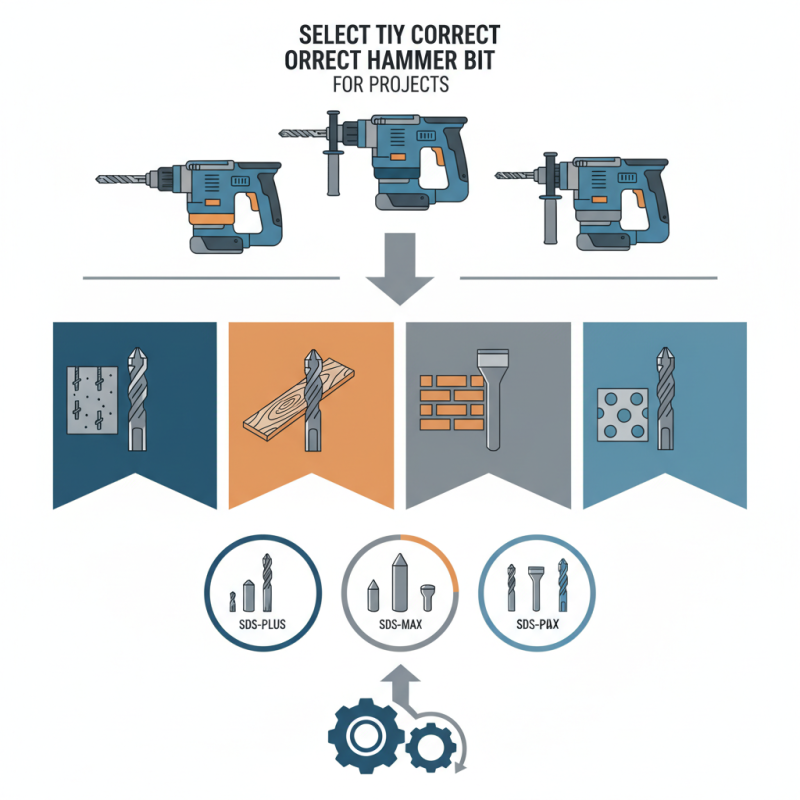
Choosing the right hammer bit can make a significant difference in your projects. There are several types available, each designed for specific tasks. For example, masonry bits are excellent for drilling into brick and concrete. These bits typically have a carbide tip that enhances durability. Reports indicate that using the correct bit can increase efficiency by up to 30%.
Woodworking requires different bits. Spade bits and auger bits excel in drilling through wood. They create clean holes and reduce tear-out. According to industry data, the right choice can extend tool life significantly. However, many users often overlook this detail, leading to poor outcomes in their projects.
Choosing hammer bits can be confusing. Many buyers fail to understand the specifications. They may select bits based solely on visual appeal rather than function. It's crucial to align the bit with your project's material and requirements. Data shows that incorrect bit usage contributes to over 40% of tool failures. Taking the time to research and select wisely is worth the effort.
When choosing hammer bits, material compatibility is crucial. Different materials require specific bits to be effective. For example, masonry requires carbide bits. These bits can handle the toughness of concrete. Use them for drilling into brick or stone. They last longer than regular bits in these hard materials.
Consider the diameter as well. A larger bit can create broader holes but may not be suitable for delicate tasks. A smaller bit offers precision but may struggle with tough materials. Think about your project's needs. Sometimes, buying multiple bit sizes is wise. You never know when a specific size will come in handy.
It’s easy to overlook wearing down preventative features. Some bits can dull quicker than expected. Regularly check your bits for wear. This may affect your project quality. Keeping your bits in good shape can save time and effort. Remember to reflect on which bits you use most. This can guide future purchases.
Choosing the right hammer bit can be tricky. Size and compatibility play significant roles in your project’s success. Always consider the drill size before making a choice. A mismatch leads to ineffective drilling. Ensure the shank fits snugly in your drill. Loose bits can be dangerous. They can slip or break, causing injuries.
Different materials require different bits. For masonry, you’ll need a specific type. Wood and metal demand alternatives. Each bit has distinct cutting edges. If you use the wrong one, results will suffer. Drilling into concrete with a wood bit is pointless.
Pay attention to the bit length as well. Longer bits reach deeper holes. However, they can be harder to control. Shorter bits offer precision but might not penetrate thick materials. Some projects may require a combination of drills. Assess your needs carefully. Avoid rushing into a decision. Testing bits on scrap material can save time and effort.
Maintaining hammer bits is essential for optimal performance and longevity. Regular care can significantly extend their lifespan. Industry reports suggest proper maintenance can increase the working life of these tools by 30% to 50%. A well-maintained hammer bit is not just a tool; it's an investment.
One crucial tip is to keep your hammer bits clean. After each use, remove any dust or debris that may accumulate. Simple cleaning prevents corrosion and keeps the cutting edges sharp. Additionally, inspect for wear and damage regularly. A worn bit can cause inefficient drilling, which may also harm the drill itself.
Lubrication plays a vital role, too. Using a light oil can help reduce friction. This small step can noticeably enhance performance and reduce heat buildup. There's a fine line—over-lubrication can attract dirt. Balance is key. Lastly, store bits in a dry place. Moisture can lead to rust, which is detrimental to any bit's integrity. Remember, even the best tools need care.
When using hammer bits, safety is a top priority. Always wear appropriate protective gear. Safety glasses are essential. They protect your eyes from flying debris. Gloves can help prevent blisters. Heavy-duty boots offer foot protection as well.
Make sure to inspect your tools before starting. Look for any signs of wear or damage. A worn-out bit can break during use. This can lead to injury. Keep your workspace clean and organized. Trip hazards can lead to accidents. Ensure the area is well-lit to avoid missteps.
Consider the material you’re working with. Some materials can cause the bit to overheat. Take breaks to prevent overheating. Listen for unusual sounds while drilling. If you notice anything strange, stop immediately. Your safety is more important than finishing a project quickly. Always reflect on past experiences. What went wrong before? How can you improve? Safety isn’t just about gear; it's a mindset.
| Hammer Bit Type | Best Use Cases | Material Compatibility | Safety Considerations | Maintenance Tips |
|---|---|---|---|---|
| Masonry Bit | Brick, concrete, and stone | Concrete, brick, or natural stone | Wear safety goggles; use ear protection | Clean after use; store in a dry place |
| Twist Drill Bit | Wood, metal, and plastic | Wood, soft metals, plastic materials | Inspect for damage before use; keep fingers clear | Sharpen regularly; lubricate for metal use |
| SDS Bit | Heavy-duty drilling in concrete and masonry | Concrete and reinforced masonry | Use proper PPE; check drill compatibility | Keep bits clean; check for wear before use |
| Carbide Bit | Tough materials like tile and glass | Ceramic, glass, and hard metals | Avoid applying excessive pressure; always wear gloves | Store securely; avoid dropping on hard surfaces |
: Consider drill size and compatibility. A mismatch leads to ineffective drilling.
A loose bit can slip or break, causing injuries during use.
No, masonry, wood, and metal need specific types of bits.
Longer bits reach deeper holes, but they can be harder to control.
Take breaks often. Overheating can damage your tools and affect performance.
It protects against flying debris and prevents injuries, like blisters and foot accidents.
Yes, check for wear or damage. A worn-out bit can break.
Keep it clean and organized. Good lighting helps prevent missteps.
Stop immediately and assess the situation. Your safety is the priority.
Reflect on what went wrong. Consider improvements for your next project.
Choosing the right hammer bit is crucial for the success of your projects. Understanding the various types of hammer bits available on the market is the first step; each type serves different purposes depending on the material you are working with. Factors to consider when selecting a hammer bit include compatibility with your drill size and the specific materials you'll be drilling into.
Additionally, maintaining your hammer bits is essential for extending their lifespan and ensuring optimal performance. Regular care and correct usage not only enhance the efficiency of your projects but also promote safety during operation. By following these guidelines, you'll be well-equipped to select the best hammer bit for any task at hand.

Dongze Hardware