In the world of construction, choosing the right tools can make a significant difference. A notable tool is the Cement Grinding Disc. Industry expert John Smith says, “The right Cement Grinding Disc can elevate your efficiency and output.” With many options available, it’s crucial to identify the best disc for your grinding needs.
Several factors determine the effectiveness of a Cement Grinding Disc. Quality materials contribute to durability and performance. The right grain size also impacts the grinding experience. A fine grain can deliver precision, while a coarser grain might expedite the job. It’s essential to align the disc with your specific project requirements.
However, not all discs are created equal. Some products can disappoint, leading to wasted time and effort. Users might find themselves reflecting on their choices, wishing for better results. As you explore options for 2026, consider both the specifications and your practical needs. A well-selected Cement Grinding Disc can transform grinding tasks from mundane to exceptional.
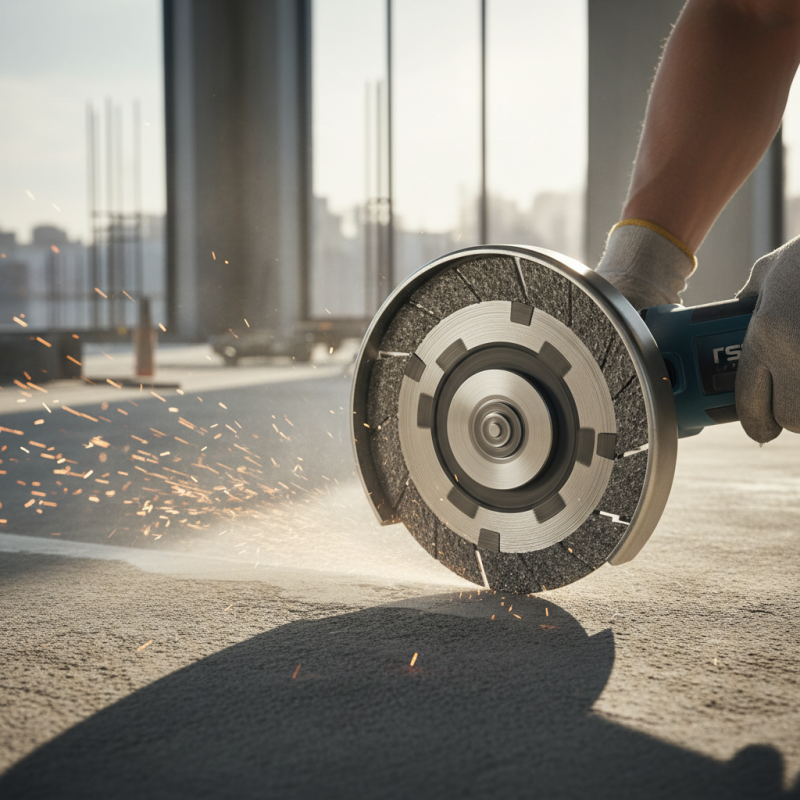
Cement grinding discs are essential tools for achieving a smooth finish on concrete surfaces. When selecting the best disc, consider key features that enhance performance. A sturdy design is vital. Look for discs made from high-quality materials that can withstand intense grinding sessions. Durability ensures you spend less time replacing discs and more time working efficiently.
Another important feature is grit size. Coarse discs remove material quickly, while finer grits produce a smooth finish. It's essential to choose the right grit for your specific project. You may struggle with inconsistent results if you use the wrong one. Additionally, disc shape matters. A flat disc is great for large areas, while a cup-shaped disc is ideal for edge work. Each shape serves a unique purpose.
Vibration and noise levels are often overlooked, but they impact user experience. Discs designed to reduce these factors can make a big difference. However, not all options effectively balance efficiency and comfort. Finding that balance is a challenge, but worthwhile. Ultimately, the perfect cement grinding disc should match your needs while providing optimal performance under various conditions.
When selecting a cement grinding disc, material composition plays a critical role. Various materials affect the grinding efficiency and longevity of these discs. Common compositions include diamond, silicon carbide, and aluminum oxide. Each of these materials serves a specific purpose. For instance, diamonds offer superior hardness and longevity, making them suitable for tougher materials. However, they are not always cost-effective.
Silicon carbide is effective for soft to medium materials. This material wears faster but is often cheaper. It provides a unique balance between performance and price. On the other hand, aluminum oxide tends to be more versatile. Its lifespan falls between diamond and silicon carbide discs. Despite its benefits, it may not grind as efficiently as the others on hard surfaces.
It's essential to evaluate the intended use when choosing a disc. A mismatch can lead to ineffective grinding and premature wear. Users often overlook the importance of proper disc maintenance. For example, cleaning the disc after use can significantly enhance its performance. In the end, selecting the right cement grinding disc requires not only understanding material compositions but also reflecting on practical usage and care.
| Disc Type | Diameter (mm) | Material Composition | Max RPM | Applications | Price ($) |
|---|---|---|---|---|---|
| Diamond Grinding Disc | 125 | Diamond Grit, Resin Bond | 12,500 | Concrete, Masonry | 45 |
| Ceramic Grinding Disc | 150 | Ceramic Grain, Resin Bond | 10,000 | Stone, Concrete | 50 |
| Silicon Carbide Disc | 100 | Silicon Carbide, Resin Bond | 15,000 | Glass, Brick | 30 |
| Aluminum Oxide Disc | 200 | Aluminum Oxide, Resin Bond | 8,000 | Metal, Plastics | 25 |
When selecting the best cement grinding disc, durability is crucial. The industry standards dictate specific requirements. These include resistance to wear, heat management, and overall performance longevity. A well-constructed disc should withstand the pressures of rigorous grinding tasks. Many discs claim to meet these standards, but not all deliver consistent results.
In practice, the choice of material makes a difference. Some materials promise high efficiency but fail during heavy use. Users may experience premature wear. It’s important to assess the operational environment too. High humidity or varying temperatures significantly affect performance. Many overlook these factors, leading to subpar results.
Testing is essential before a final choice. Take the time to evaluate performance over multiple tasks. A disc that excels in one application may falter in another. Pay attention to feedback from hands-on users. This helps to uncover potential shortcomings. Ultimately, the goal is to find a disc that balances efficiency with durability.
When it comes to cement grinding discs, efficiency is crucial. Several factors influence the grinding efficiency of these tools. One significant factor is the disc material. Discs made from high-quality abrasives tend to have better durability and performance. According to industry reports, using diamond abrasives can increase efficiency by up to 30%. This is essential in achieving optimal results in concrete and masonry projects.
Another important aspect is the disc thickness. Thinner discs allow for faster and smoother grinding, but they may wear out quickly. Users should balance the need for speed with durability. A thicker disc may last longer but can slow down the process. It's vital to assess the specific requirements of each job before making a choice.
**Tips:** Always check the power of your grinding machine. A suitable machine can dramatically enhance disc performance. Additionally, regularly inspect the discs for wear and tear. Change them when necessary to ensure consistent quality. Lastly, consider the bonding type of the disc. It affects how well the disc holds the abrasive material. This bond quality can further impact efficiency during grinding tasks.
Recent advancements in cement grinding disc technology have been remarkable. Engineers focus on materials to improve durability and performance. New compositions include advanced ceramics and reinforced metals. These materials boost efficiency and extend the lifespan of grinding discs. This means fewer replacements and reduced costs over time.
Tips:
Always match your grinding disc to the specific project needs. Not all tasks require the same type of disc. Understand the thickness of the concrete and the finish desired.
Innovative designs are also emerging. Some discs now feature unique patterns that improve dust extraction. This helps maintain a cleaner workspace, enhancing safety and visibility. However, not all designs are perfect. Some may wear unevenly or produce excess heat, which can lead to poor performance. It's essential to choose wisely and consider your past experiences with different types.
Tips:
Monitor how your disc performs during grinding. Pay attention to vibration and heat. If unusual symptoms appear, reevaluate your choice. Adjustments can drastically improve efficiency.
: Material composition affects grinding efficiency and longevity. Different materials serve specific purposes for varying applications.
Diamonds offer exceptional hardness and longevity. They are ideal for tougher materials, but may be less cost-effective.
Silicon carbide works well for soft to medium materials. It wears faster but is often cheaper, striking a balance between price and performance.
Aluminum oxide is versatile, with lifespan averages between diamond and silicon carbide. However, it may not grind hard surfaces efficiently.
Considering intended use is vital. A mismatch can result in poor grinding outcomes and quicker wear.
Proper maintenance, like cleaning after use, can enhance disc performance and extend its lifespan. Neglecting it can lead to inefficiency.
Standards include wear resistance, heat management, and overall performance longevity. Not all discs consistently meet these criteria.
High humidity or fluctuating temperatures can impact performance. Many users overlook these factors, leading to disappointing results.
Testing helps evaluate performance across multiple applications. A disc's effectiveness may vary depending on the task at hand.
Feedback from those with hands-on experience can reveal potential shortcomings. This insight aids in making informed decisions.
The article "2026 Best Cement Grinding Disc for Efficient Grinding" explores the key features and specifications that enhance the performance of cement grinding discs. It emphasizes the importance of material composition in achieving durability and efficiency, highlighting how different materials can affect the grinding process. Additionally, the article delves into industry standards that govern the specifications and longevity of these discs, ensuring they meet professional demands.
Moreover, various factors that influence the grinding efficiency of cement grinding discs are discussed, including design elements and operational methods. The article also reviews recent innovations in the technology and design of cement grinding discs, showcasing advancements that lead to improved performance and productivity in grinding tasks. Overall, the focus is on optimizing the use of cement grinding discs for superior grinding results in various applications.

Dongze Hardware